


Garage door stuck: 7 things to check before calling a professional
Garage door not responding? Power, remote, lock, obstacle, safety sensors, warning lights: seven safe checks, in order, and the signs that mean it is time to call a technician.

Garage door not responding? Don’t panic. Often the cause is simple and can be sorted in a few minutes, without tools. Before you call, here are the seven points our technicians check themselves when they arrive, in the same order. And if none of them solves the problem, our garage door repair service takes over.
The 7 checks, in order
1. Power
First reflex: is the opener getting power? Check whether the light on the motor or on the wall button is on. If it is off, look at the fuse box: a breaker may have tripped, for example after a storm. Also check that the opener’s plug has not been pulled out by mistake while tidying the garage or plugging in another appliance.
2. Remote control batteries
This is often the second thing to check. Tapping the remote won’t help: it won’t recharge it. Try a new battery, or another remote, the wall button or the keypad. If the door responds to another control, the transmitter is at fault, not the door: a remote can be reprogrammed or replaced.
3. Lock
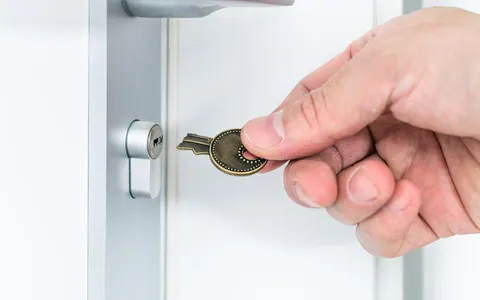
With a manual lock engaged, the door politely refuses to move. Check the door’s lock or bolt, and the wall control: some offer a lock mode that disables the remotes. Another common case: the motor runs but the door doesn’t follow. The door may have been disengaged with the emergency release handle and needs to be re-engaged on the trolley as described in the opener’s manual.
4. Obstacle
A bike, a box, dead leaves or a bin on the threshold: the door stops or reverses for safety as soon as it meets resistance. That is by design, and it is good news. Simply clear the way, including the guide rails on each side, then run the door again.
5. Safety sensors
The photocells on either side of the opening stop the door from closing on a person or a vehicle. A little dust or a cobweb is enough to break the beam: the door won’t go down, or goes straight back up. Wipe the lenses with a soft cloth, then check that they face each other exactly. Even a light knock can knock them out of line.
6. Warning lights
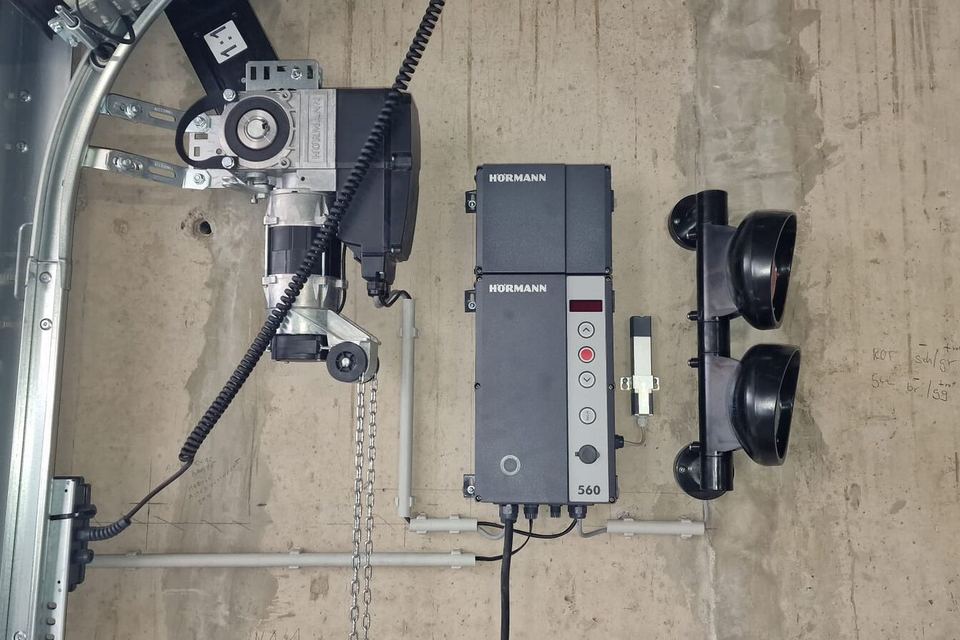
A flashing light is a message: the opener is telling you what is wrong. Its meaning depends on the brand and model, and is explained in your opener’s manual. If you call us, note the colour of the light and the number of flashes: it is valuable information for the technician.
7. Knowing when to stop
Some signs are unmistakable. At that point, no more DIY: call a technician.
- an unusual noise, such as a sharp bang followed by a door that feels much heavier;
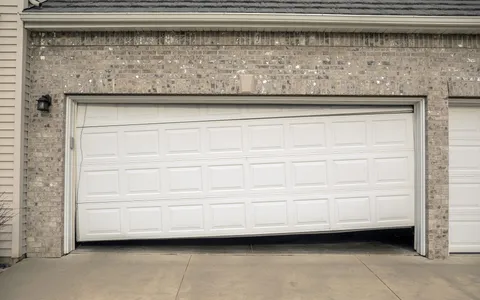
- a door hanging crooked, or panels that have come out of their tracks;
- a slack, frayed or dangling cable;
- a door that stops after a few centimetres although nothing is in its way.
In these cases, stop using the door, don’t force it, and keep children, pets and vehicles away from the area where it moves.
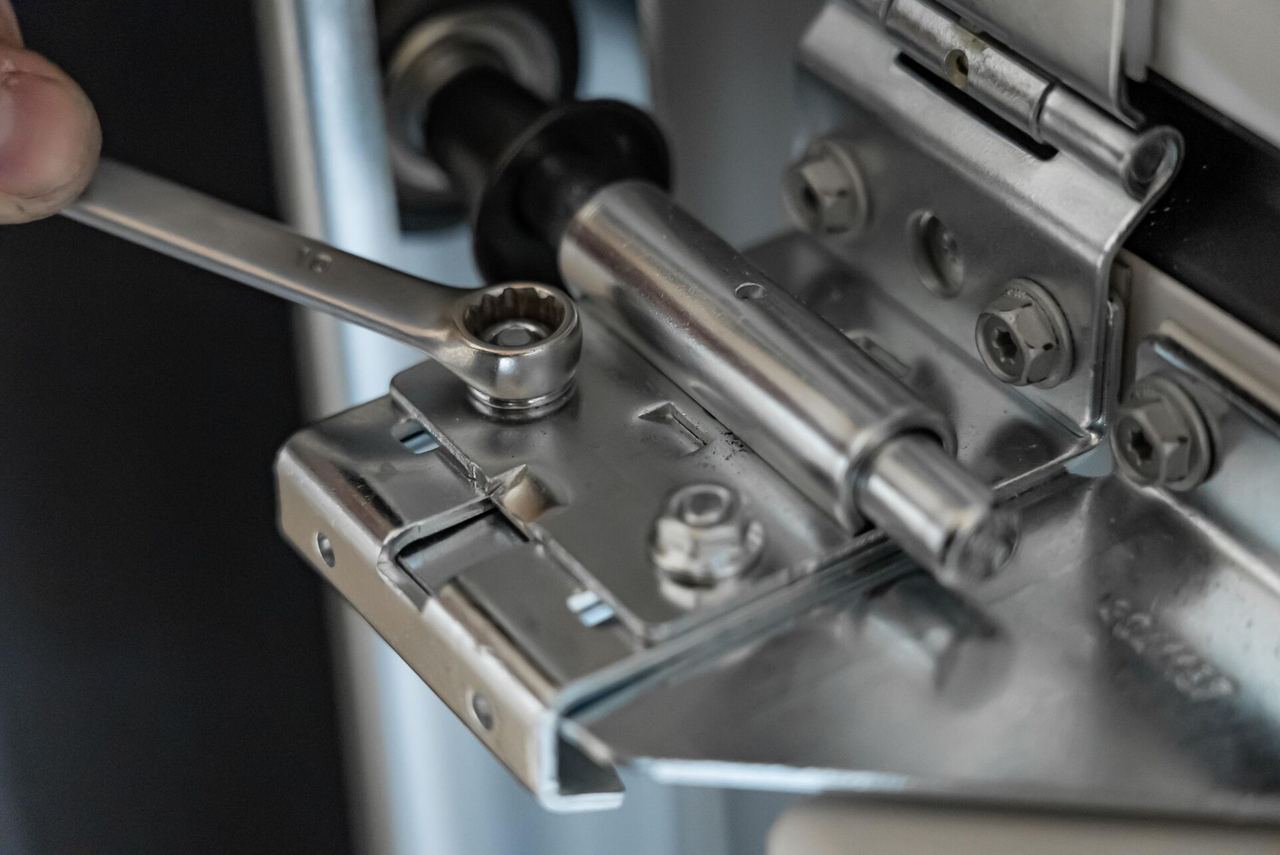
Quick diagnosis: symptom, likely cause, who deals with it
To see at a glance whether you can act yourself or should call:
- Nothing happens, light off: no power (breaker, plug). Check it yourself.
- The motor hums, the door doesn’t move: door disengaged or lock engaged. Check it yourself; if it stays still once re-engaged, call a technician.
- The door responds to the wall button, not the remote: battery or transmitter. Check it yourself, reprogramming if needed.
- It goes down, then straight back up: obstacle, or dirty or misaligned sensors. Check it yourself; if it persists, limits to be adjusted by a technician.
- It stops at the same spot every time: track blocked or bent, damaged roller. Look at the track without forcing; if it is bent, technician.
- A sharp bang, then a very heavy door, or one that stops after a few centimetres: broken spring. Technician only, stop using the door.
- Door crooked, cable hanging: cable broken or off its pulley. Technician only.
- Nothing works since a storm, although the power is back: control board probably damaged. Technician.
Power cut: opening the door by hand, safely
A motorised door is not a prisoner of its motor. On ceiling-rail openers, an emergency release handle or cord, often red, separates the door from the motor. It can then be moved by hand.
- Preferably do it with the door closed, and switch off the power to the opener.
- Pull the release handle as described in the opener’s manual.
- Lift the door slowly with both hands using the handle provided, never by the joints between panels where fingers get caught.
- Once the power is back, re-engage the door on the trolley as the manual describes: on many models the trolley hooks back on at the motor’s first movement.
Is the door the only way into the garage? Some models can be fitted with an emergency release operated from outside, and many openers take a backup battery that allows a few openings during a power cut. Both are worth planning before you need them.
Special cases
In winter: a door frozen shut
In hard frost, the bottom seal can freeze to the ground. The motor pulls, detects resistance and stops or reverses. Don’t keep pressing the remote: you strain the motor and risk tearing the seal. Clear snow and ice from the threshold, ease the seal free gently, and avoid hot water, which refreezes at once. As prevention, a silicone spray on the seal at the start of winter reduces sticking.
After a storm
A power surge often trips the garage’s breaker or residual-current device: reset it and try again. If the power is back but the opener stays silent or behaves erratically, the control board has probably suffered. That is a repair for a technician, often without replacing the whole motor. If it does need replacing, see how to replace a garage door motor safely.
Depending on the type of door
- Sectional: the panels run up two side tracks, usually balanced by torsion springs on a shaft above the opening. “Crooked” means one side rises more than the other: a cable or spring is at fault.
- Up-and-over: a single panel balanced by side springs and arms. If it drops by itself or stays half-way, a spring has often gone.
- Roller: the slats roll onto a shaft in a box. A slat out of its guide or a curtain rolling up at an angle blocks everything: don’t force it, or the slat bends.
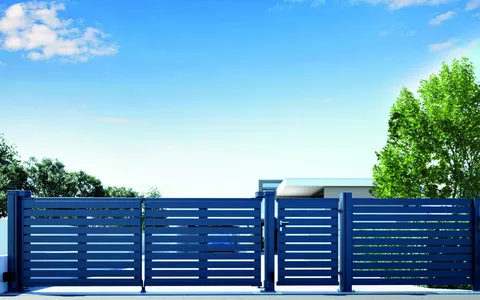
- Side-sliding: the door runs on a ceiling track and a floor guide. The floor guide gets dirty quickly: gravel, leaves and winter salt are enough to block it, and that you can clean yourself.
Weighing up these models for a replacement? Our guide compares sectional, roller and up-and-over doors.
Industrial doors and business premises
A stuck industrial door often has a safety reason. A wicket door that is not properly shut cuts out the whole door: check it first. After a broken spring or cable, the safety catch deliberately locks the door to stop it falling, and only a technician can put it back into service. We give priority to business premises, and a preventive maintenance contract is available on request.
Prepare your call to save time
The more precise the description, the faster the diagnosis. Note down:
- the type of door: sectional, up-and-over, roller, side-sliding or industrial;
- the brand of the door and of the opener, if you know it;
- which of the seven points above you have already checked;
- the warning light: its colour and number of flashes;
- if possible, a photo or a short video of the door and the opener.
The form below guides you step by step and lets you attach your photos. If the door is stuck and it is urgent, say so: we prioritise the call-out. You can also call +352 35 53 78 or, for repairs, +352 691 54 54 07, also on WhatsApp. Other questions before calling? Our FAQ answers the most common ones.
What the Fermé-Lux technician does
Our technicians work in 7 cantons of Luxembourg, on most brands, not only Hörmann. They pinpoint the fault and give you a transparent quote before any work starts.
- Replacement of springs, cables and wear parts for smooth, safe operation.
- Opener repair: worn gears, control board, limit adjustment, chain or belt drive.
- Remote reprogramming, sensor calibration and backup battery replacement on site.
- Original parts for Hörmann doors, compatible parts for other brands.
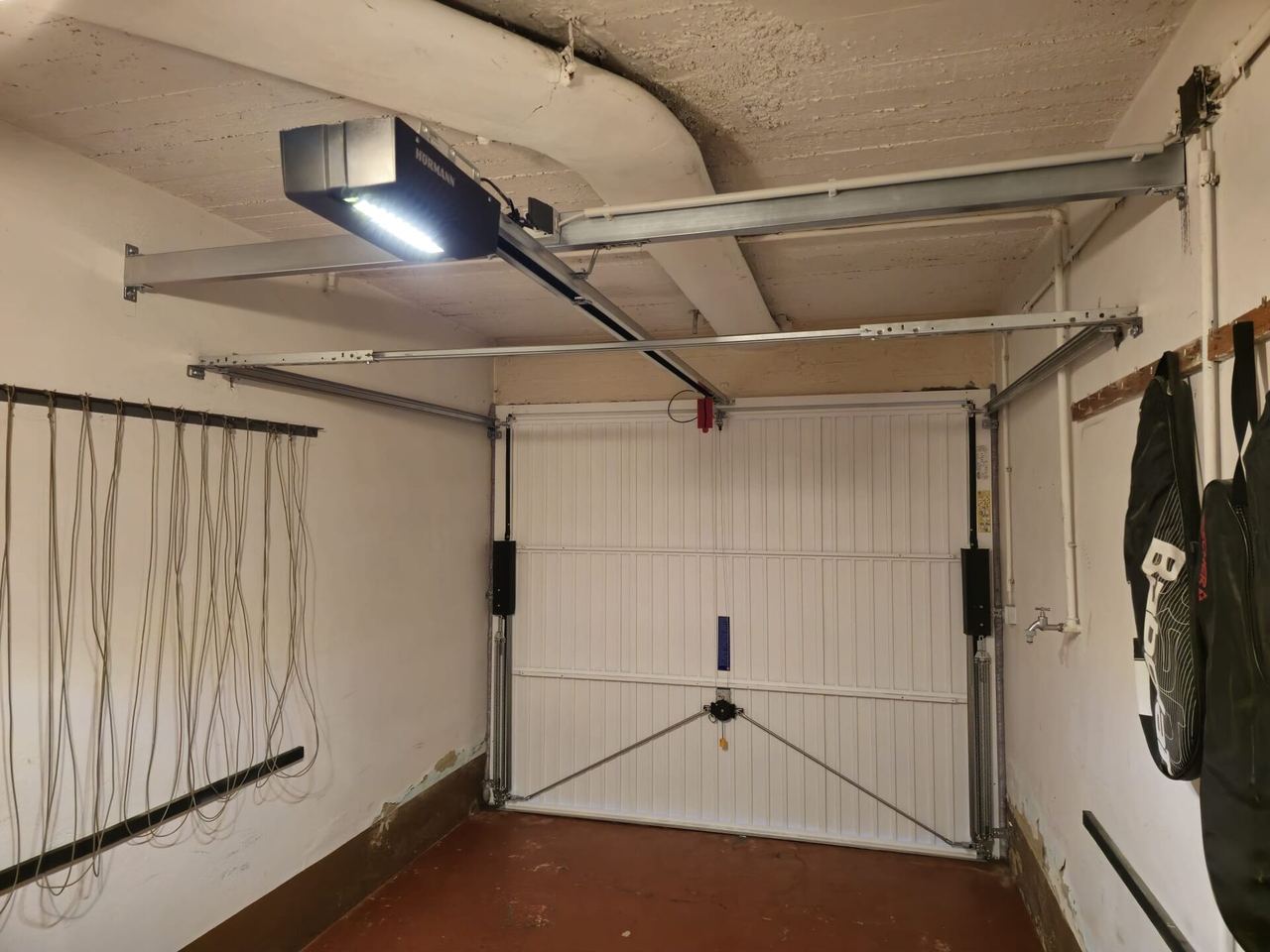
Is your door really at the end of its life? Then we will advise you on a new garage door. In most cases, though, a proper repair is enough: describe the fault in the form and we will get back to you quickly.
Frequently asked questions
My garage door stops and goes back up by itself: why?
Most often the door detects an obstacle, or the safety sensors are dirty or out of line. Clear the threshold, clean the lenses and check that they face each other. If the problem persists, the limits may be out of adjustment: that is a job for a technician.
Can I open my motorised garage door during a power cut?
Yes, with the opener’s emergency release handle, preferably with the door closed and following the manual. Never if a spring is broken: without it, the released door can drop all at once.
Do you repair garage doors from brands other than Hörmann?
Yes. Our technicians work on the vast majority of brands, with original parts for Hörmann and compatible parts for others. Mention the brand of the door and motor in your request if you know it.
I’ve lost my remote control, what should I do?
We reprogram and replace Hörmann (BiSecur), Somfy and other brands’ remotes on site during our visit. Tell us the brand and model of your motor when booking.
My door was dented by a car: does it need replacing?
Not necessarily. In most cases we straighten the damaged panels or replace only the affected sections, without changing the whole door.